I like the flying car. I would prefer to live in a world where that was the whole of my opinion.
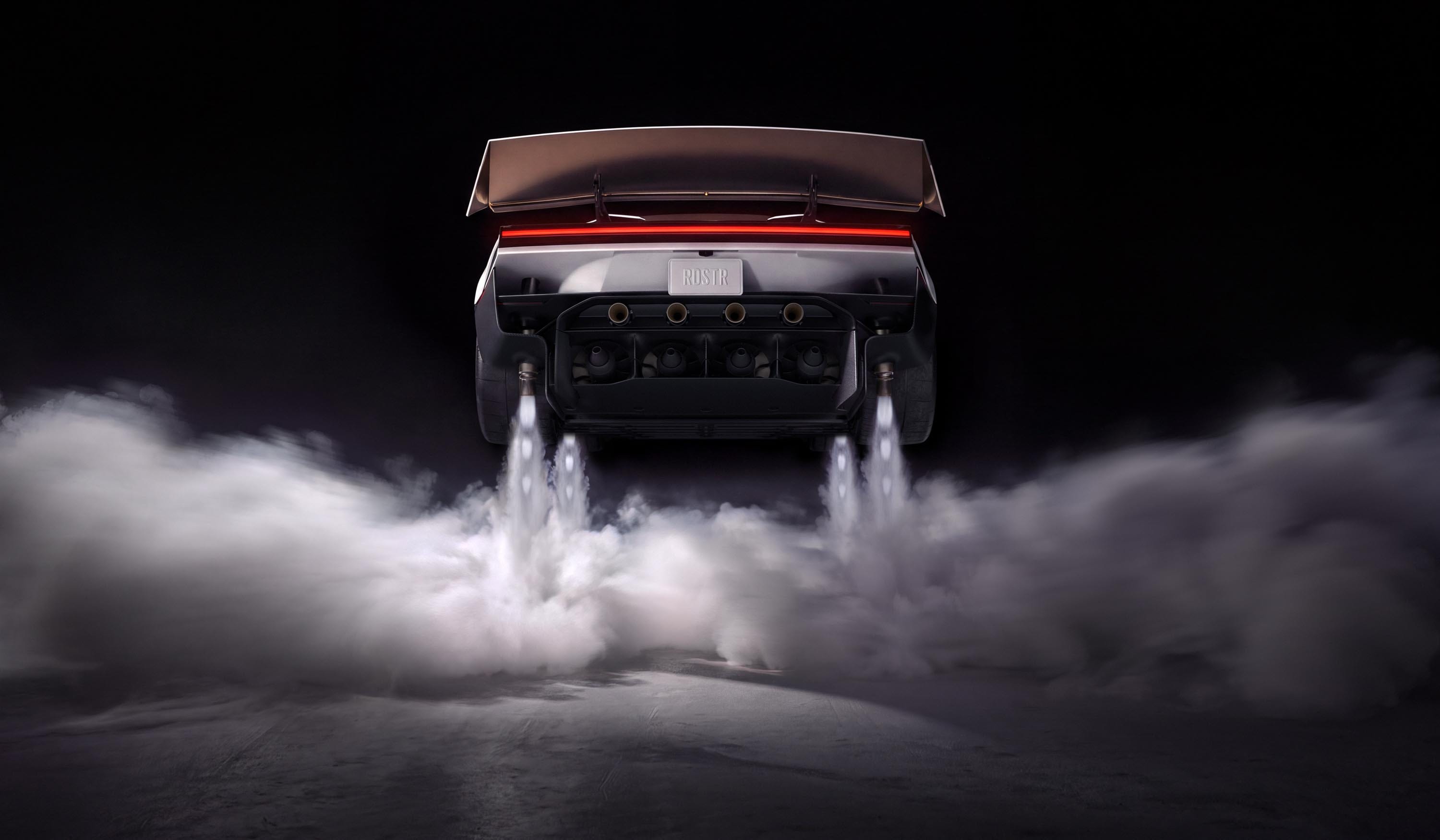
At Tesla’s demonstration in Texas, the new Roadster drove up a curved ramp, turned upside down, launched into the air, flipped, and landed. There is something wonderfully childish about watching engineers accomplish a thing you once attempted with a toy and the edge of a table. I understand the excitement.
I keep thinking about Ukraine, though.
On October 15, Reuters reported that an order to restrict Starshield, SpaceX’s satellite service used by Ukraine’s military, originated inside the White House. Its sources were two American officials and a Western official briefed on the matter. They did not identify who issued the order or who implemented it.
Trump subsequently denied ordering the restrictions and said he did not think Musk was responsible. Musk has said that Starshield systems are owned and controlled by the American government, with restrictions decided by the military and, ultimately, the president. The precise chain of responsibility remains disputed.
Meanwhile, Ukraine has been describing the consequences. The Associated Press reported that a speed restriction cut connections when terminals travelled faster than 100 miles per hour, impairing military drones. On Saturday, Volodymyr Zelensky said speed limitations were preventing Ukrainian interceptor drones from operating against Russian attacks.
It is difficult to move from that information to a discussion of a sports car’s performance without feeling something has gone badly wrong with the allocation of our attention.
The demonstration feels like a distraction to me because I can feel it working. A car doing a flip is immediately comprehensible. Responsibility passing between a billionaire, a defense department, and a president requires considerably more patience. One produces a video everyone can understand. The other leaves people trying to defend their country while asking who changed the conditions under which their equipment works.
What frightens me is the dependence. A private company has built infrastructure important enough that restrictions on its use can impair a country’s ability to defend itself. Government authority over the service adds another layer of power. For the people underneath incoming drones, neither the corporate hierarchy nor the American political system offers much direct control.
That should trouble us even if we admire the technology. Particularly then. Its usefulness is precisely what makes the dependence so consequential.
We are accustomed to discussing extraordinary wealth as a question of what someone can buy. Here, the question becomes what other people can continue to do. Can they communicate? Can they intercept an attack? Who gets to change those answers, and what explanation must they provide afterward?
There should be clear answers about who authorized these restrictions, why they were imposed, and what safeguards protect Ukraine from another unexplained interruption. A country fighting for its survival deserves more than competing accounts of who was responsible.
I can admire the engineers who made the car leave the ground. I can even watch the clip twice. But I want us to carry some of that attention back to the less entertaining story, where the consequences are borne by people who never volunteered to participate in anyone’s demonstration.