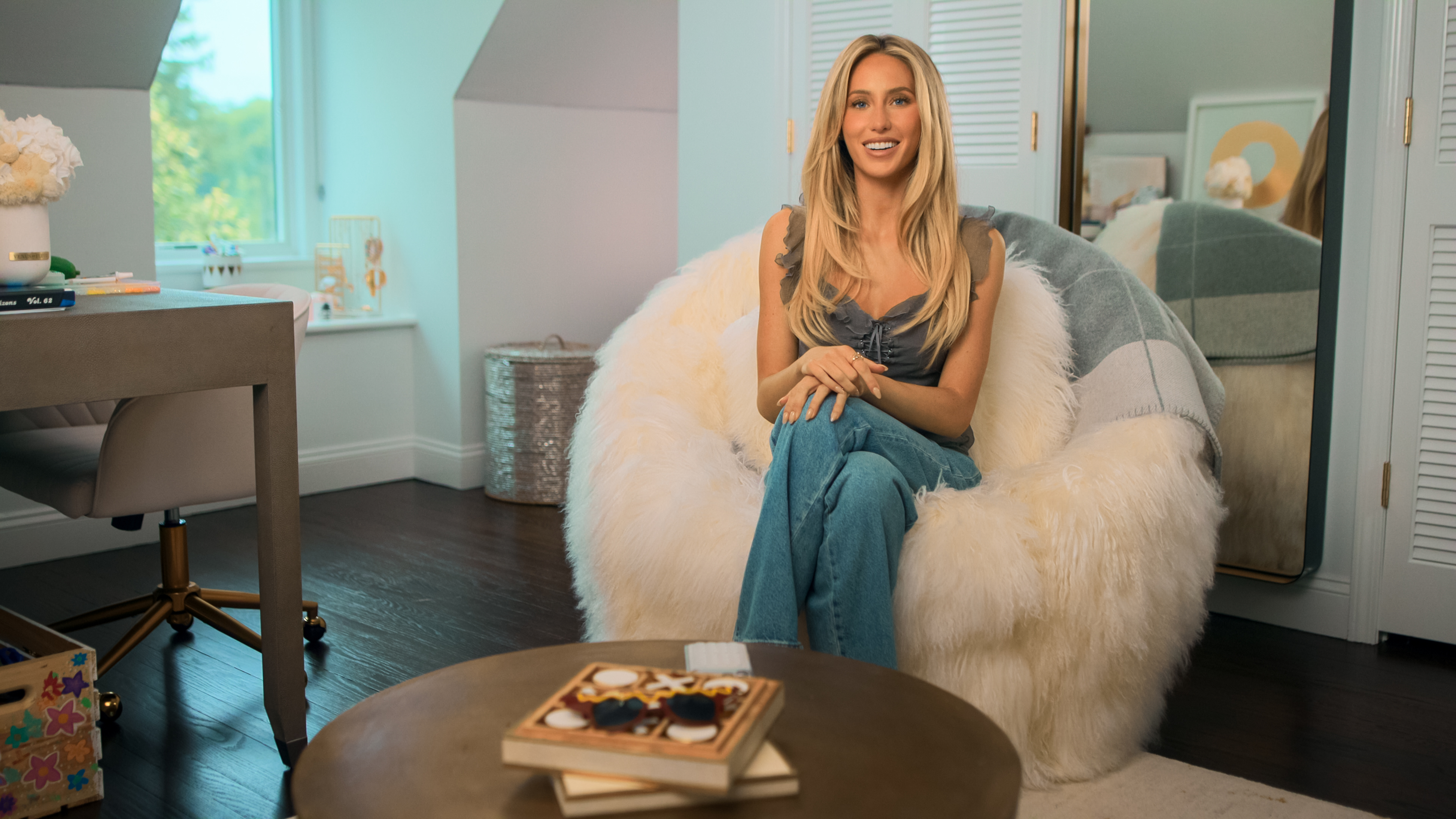
Alix Earle was asked about the last book she had read and gave the internet something considerably more useful than a title: a reason to feel superior.
“I’ve never read a book,” she told Interview editor Mel Ottenberg, before allowing for the possibility of Dr. Seuss. It was an unusually efficient way to become the subject of a conversation about the collapse of civilization.
I understand the reaction. There is something dispiriting about hearing an enormously visible person describe a life without books as though she has simply never been to Denver. You want to interrupt. Surely there has been something. A novel someone left behind. A memoir read out of spite. An unsuccessful relationship that required consulting a Russian.
But the claim deserves more care than the outrage has allowed. We do not know whether Earle was being literal, exaggerating, or giving a quick answer she thought would be funny. We know what she said. That is enough to discuss without appointing her the official spokesperson for the end of thought.
Her answer has become evidence in a much larger argument about whether we are living in a “post-literate society.” She was asked what she’d been reading and ended up responsible for what the rest of us haven’t.
Not reading books, being unable to read, and having difficulty understanding complex material are different problems. They may overlap, but collapsing them makes it easier to produce an alarming headline than a useful account of what is happening. A defense of reading ought to have some interest in distinctions.
There is, nevertheless, something worth worrying about.
A study published in iScience in 2025 examined American time-use data from more than 236,000 people. The proportion who read for pleasure on an average day fell from 28 percent in 2004 to 16 percent in 2023. That measure included more than printed books, and it describes daily behavior, not the number of people who have ever finished a novel. The decline is serious enough without improving it for dramatic effect.
It also occurred unevenly, with widening gaps associated with income and education. The researchers did not establish a single cause. Economic pressures, access, and competing forms of entertainment all warrant attention. “People are stupid now” offers the considerable convenience of requiring us to change nothing.
Still, I don’t think the entire answer is to reassure everyone that reading is just another hobby, interchangeable with whatever else fills the evening. There is a loss here. Spending time with a sustained argument, or with a character whose motives take three hundred pages to become clear, asks something of us that a succession of reactions does not.
You have to let the person finish.
This is an increasingly inconvenient arrangement. A book may spend a hundred pages making you sympathetic to someone you would have confidently condemned in a caption. It may decline to tell you whether its narrator is admirable. You can reach the end with a better understanding of the question and a worse idea of what to say at dinner.
I think we could use more of that.
What troubles me about the celebration of not reading is the suggestion that curiosity is an optional embarrassment, something to admit to only if it can be made attractive. But the response to Earle often accepts exactly that premise. Reading makes you hot. Reading makes you interesting. Here is the correct paperback to place beside your sunglasses.
We have found a way to defend the inner life almost entirely through its effect on other people.
Baldwin, García Márquez, Austen, and Didion offer considerably more than an opportunity to be the sort of person who has read them. Yet literary taste can become a remarkably incurious way of sorting people. We praise books for complicating our understanding of human beings, then use someone’s unfamiliarity with them to decide we know enough.
And reading does not reliably make someone good company, let alone good. You can finish an enormous Russian novel and remain incapable of apologizing. You can read very little and be observant, generous, alive to the people around you. Books offer possibilities. They do not issue certificates of character.
The strongest case for reading has to survive this.
For me, it has something to do with the chance to have an experience before deciding what that experience says about me. To dislike a celebrated book. To become absorbed in something unfashionable. To encounter a sentence that describes a feeling I had been carrying around badly, and feel the peculiar relief of discovering that someone else had been more precise.
None of this requires an audience. Much of it improves without one.
I would like more people to read. I would also like us to make beginning less humiliating. If someone has spent years away from books, or never felt welcome among people who discuss them, announcing that they are evidence of national decline seems an unpromising invitation.
Earle can pick up a book tomorrow. So can someone who has been defending literature online all afternoon while avoiding the one beside their bed.
There needn’t be a rebrand. You do not have to become a reader in public before you can become one in private.
Open something. Give it a little time.
You can tell us what you think when you’ve finished.